[Effects and Benefits of Wasabi Leaf Tea]
The effects of consuming wasabi leaf tea can vary based on individual sensitivity, consumption amount, and overall health status. Although research on the effects of wasabi leaf tea is limited, potential effects and benefits that may be associated with its consumption are as follows.
Detailed efficacy information does not pertain to this product or Sinigrin products. This information is about the benefits and effects of wasabi leaf tea, which can be found online.
-
Fresh Taste and Scent
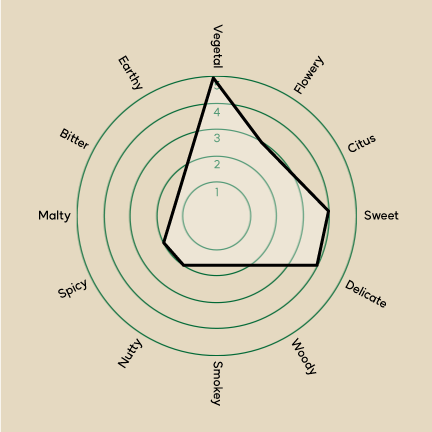
Wasabi leaf tea is known for its light, fresh, and slightly mustard-like flavor.
It offers a unique taste experience that can add depth to your tea-drinking habits.
-
Caffeine-Free
Wasabi leaf tea is naturally caffeine-free, making it a good choice for those looking for a warming drink without the stimulating effects of caffeine. This also means it can be enjoyed at any time of day without disrupting sleep.
-
Nutrition Facts
Wasabi leaves, like many leafy greens, can contain vitamins, minerals, and antioxidants.
These nutrients are important for overall health and well-being.
-
Digestive support
Wasabi leaf tea has traditionally been used as a digestive aid in Japan. It contains enzymes that can help break down proteins and fats, making it easier for the body to digest food. Its anti-inflammatory properties can help relieve digestive problems such as bloating and indigestion.
-
Immune boosting
Wasabi leaf tea contains a variety of antioxidants, including vitamin C and carotenoids, which can help boost the immune system. These compounds neutralize harmful reactive oxygen species (ROS) in the body, which can reduce the risk of chronic disease and promote overall health.
-
Anti-inflammatory
Wasabi leaves may contain compounds with potential anti-inflammatory properties. These properties may be useful for individuals experiencing problems related to inflammation.
-
Vitamin K
Wasabi leaves contain vitamin K, which plays a role in blood clotting and bone health.
-
Culinary Uses
In addition to tea, wasabi leaves can be used in cooking to add flavor, such as in salads or as a wrapper for sushi ingredients.
-
Potential for Allergic or
Sensitivity Reactions
As with any food, there is a possibility of allergic or sensitivity reactions to certain compounds in wasabi leaves.
If you are allergic to wasabi, please use caution.
This product is 100% wasabi leaf tea, not the root, and it is not very spicy, so there is no need to worry.
 Precautions